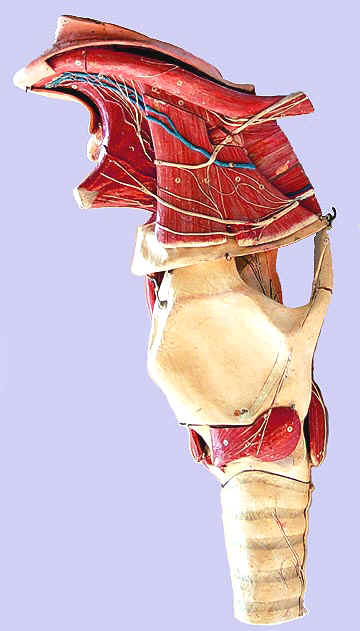
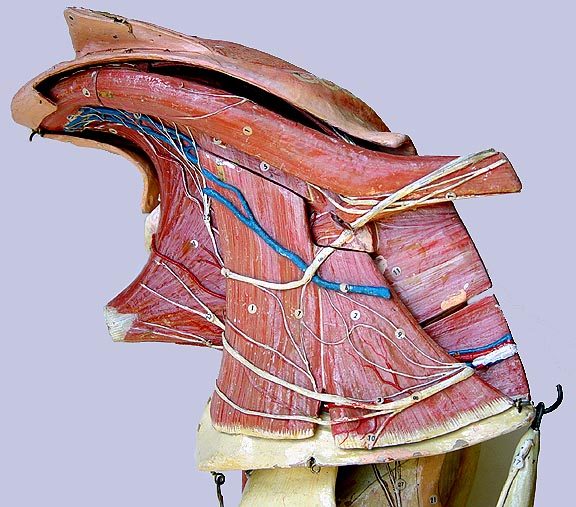
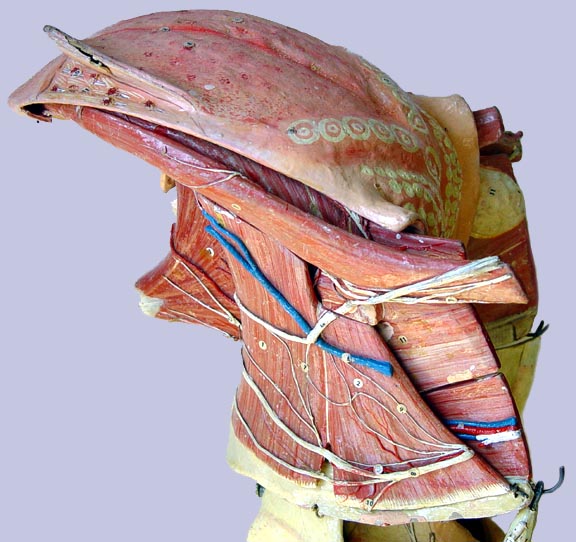
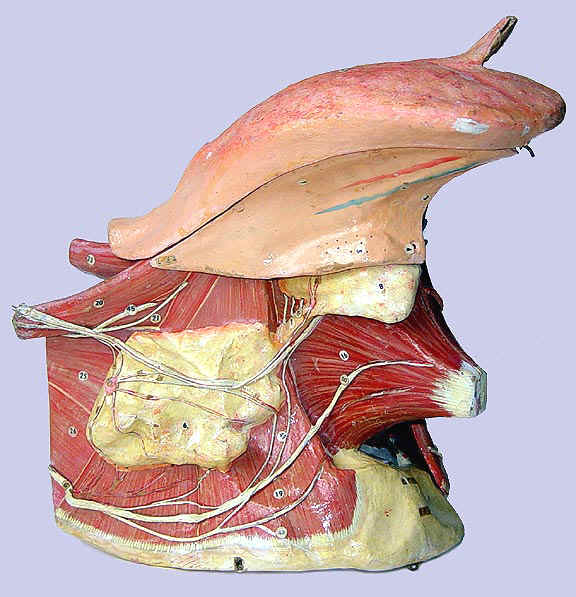
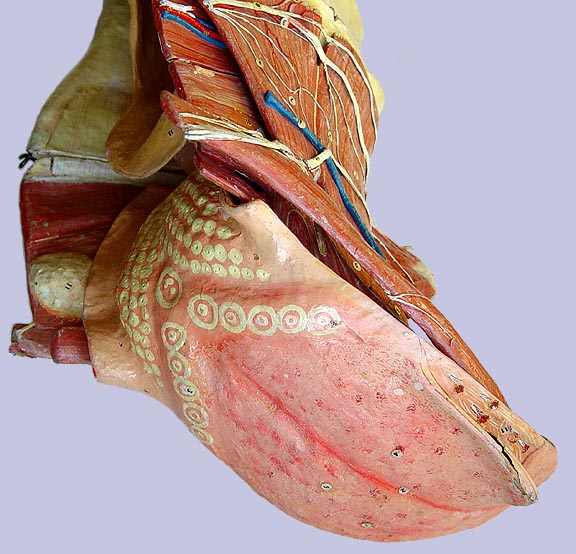
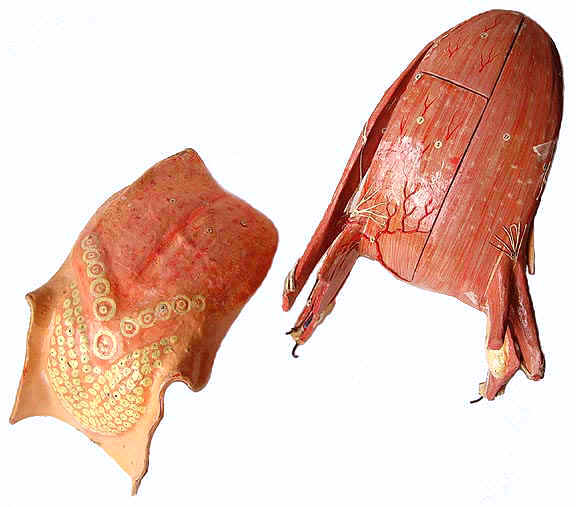
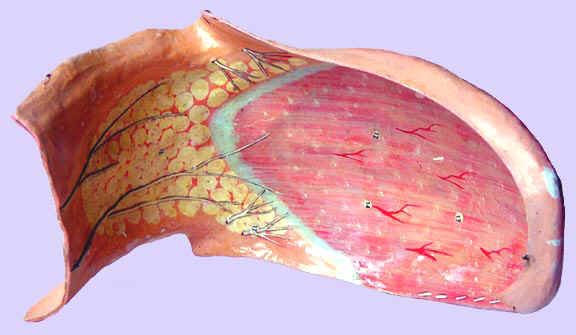
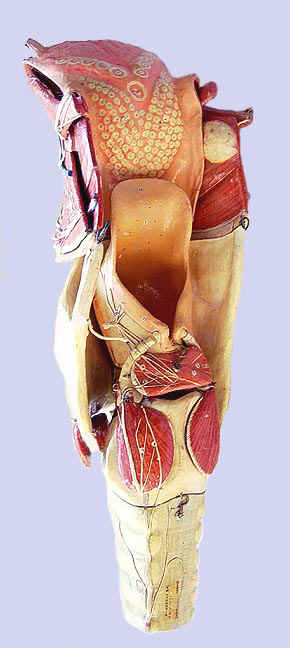
| 158. A remarkable Auzoux anatomical model of the tongue, throat, larynx, and windpipe. An Auzoux listing of the 1880s shows a Gigantic Larynx (twelve inches long)... and, sold separately but ...capable of being adjusted to the larynx..., a ...Tongue in the same proportion... This papier-mâché model is 24 inches long overall, and it is a testament to the complexity of the best Auzoux écorché. Louis Thomas Jerôme Auzoux (1797-1880), a French anatomist and physician, saw the need for highly accurate anatomical models, as an alternative to cadaver study, and founded, in the 1820s, a company to make them. Due to the great care and attention to detail that went into their manufacture, hand-painted antique Auzoux papier-mâché models are prized. SOLD |
|
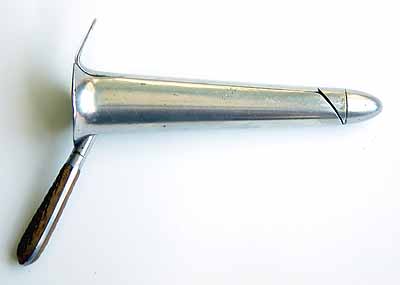
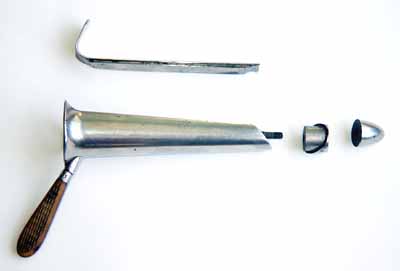
| 159. A c. 1890 Aloe-type rectal speculum with wood handle. SOLD |
|
| 160. A c. 1955 group autographed photograph of Chevalier Jackson, M.D. (1865-1958) and his staff. an 1886 graduate of Jefferson medical College, Dr. Jackson became one of America's most renowned laryngologists. He is credited with the invention of an esophagus scope and a bronchoscope. He was on the faculty of Jefferson and the University of Pennsylvania. SOLD |
|
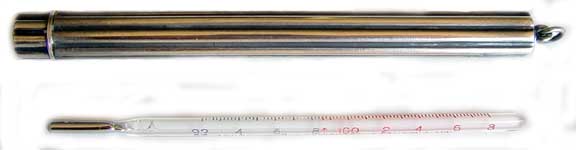
161. A c. 1930 antique clinical thermometer by Becton & Dickinson, Rutherford, New Jersey. The well-made silver case is marked STERLING. $275 |
|
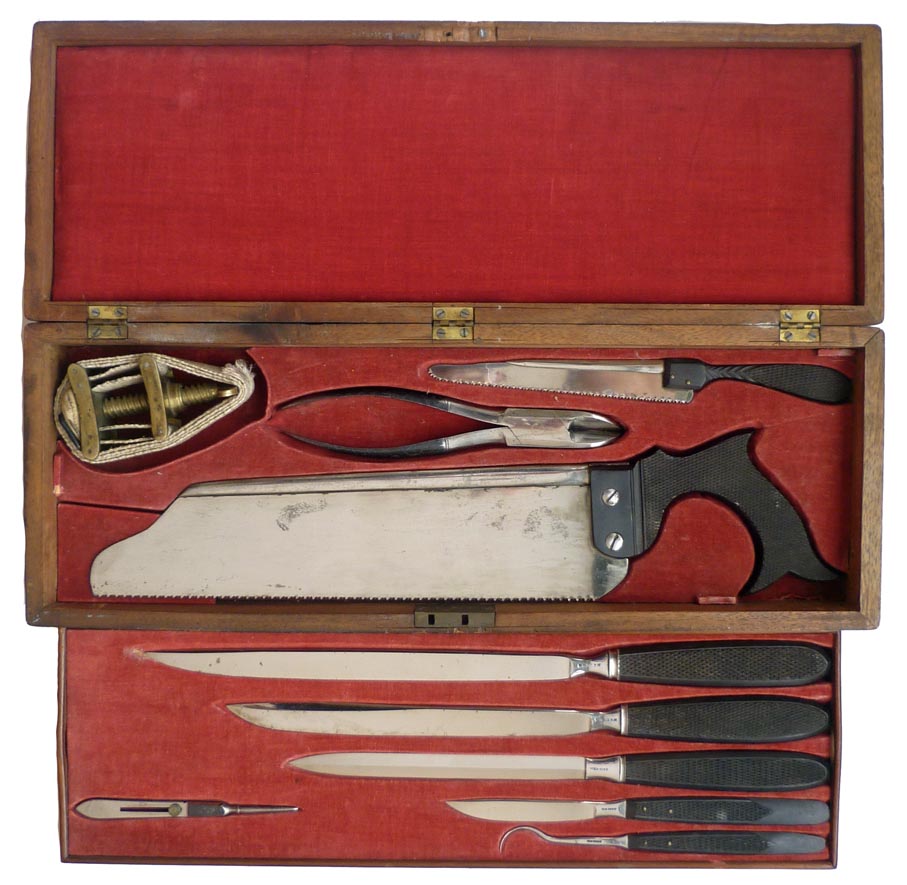
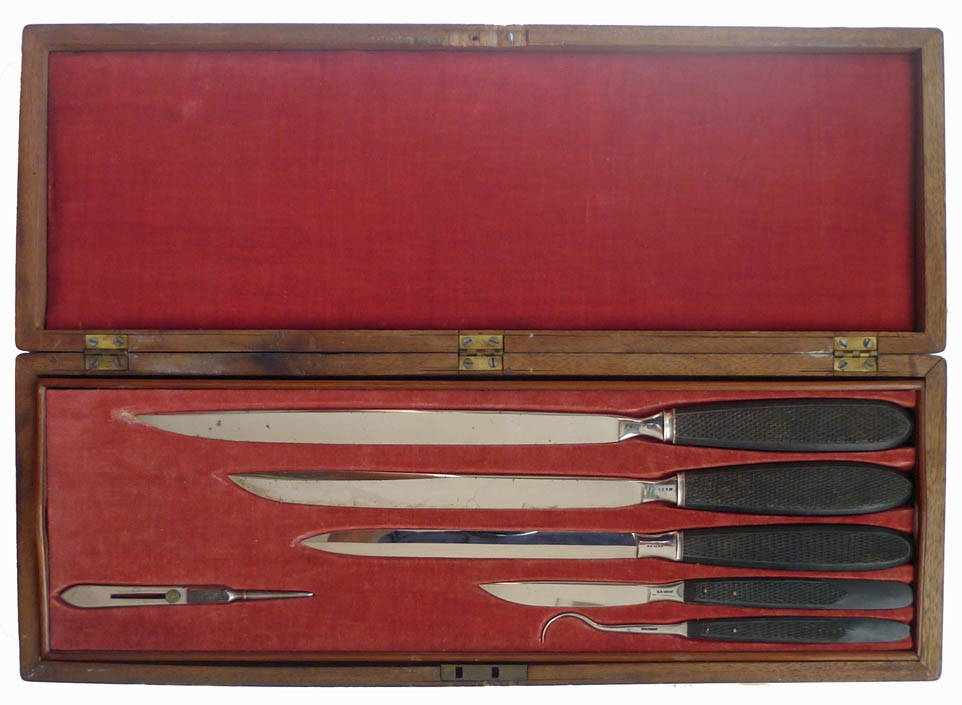
162. A fine c. 1860 antique amputation set by H.G. Kern, Philadelphia. This is a classic Civil War surgical set as commonly used by regimental surgeons on both sides of the American Civil War. The antique surgical instruments are in excellent condition. SOLD
|
|
| 163. A c. 1860s antique bloodletting scarificator by Leypoldt, Philadelphia. American made scarificators are rare. $425 | |
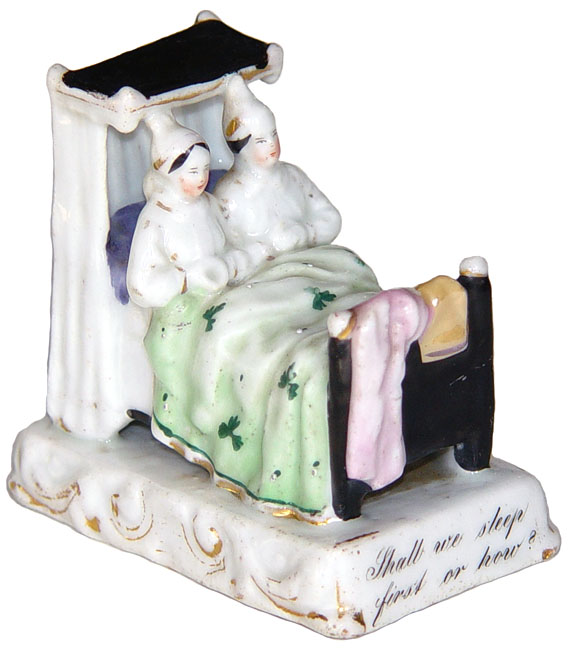
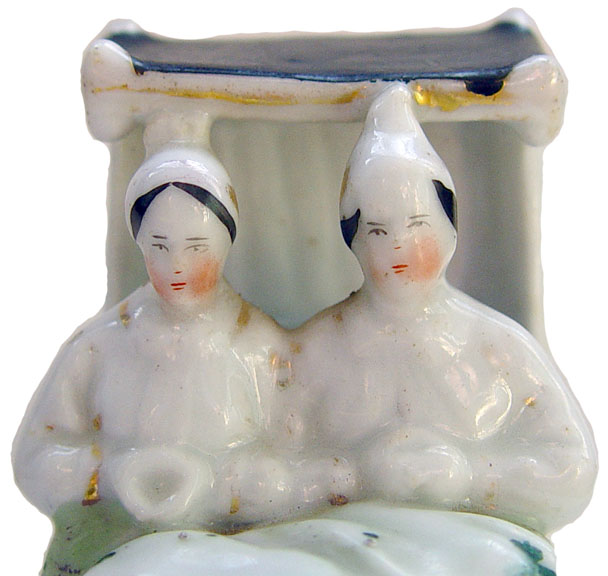
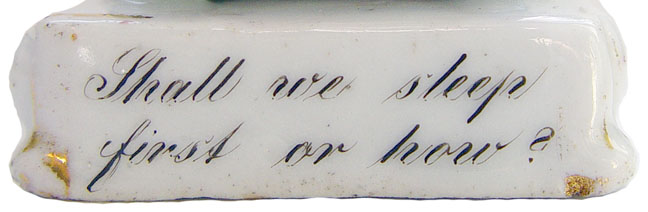
| 164. A c. 1850 antique fairing of newlyweds in bed. The piece is captioned: Shall we sleep first or now? The fairing was made for the English market by Conta & Boehme, in Possneck, Germany, and it bears the incised serial number 2859 from early in their first series. This wonderful commentary on Victorian sexual mores pokes fun at a proper and inexperienced couple's first night of marriage. SOLD |
|
| 165. A fine silver medal awarded by the School of Medicine Edinburgh to George Sinclair for the first prize in General Pathology, 1880-81 session. Dr. J.B. Buist was the lecturer. A monumental staff of Asklepios (Aesculapius) is featured on the reverse. The rim is stamped: 87 PERCENT [SILVER CONTENT]. The diameter is 4.8 cm. $475 |

|
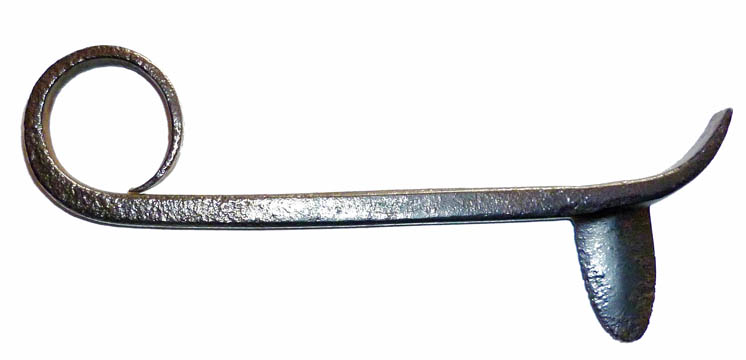
| 166. An 18th century antique wrought iron bloodletting fleam. $175 |
|
| 167. A c. 1850 antique vaccination pocketknife. SOLD |
|